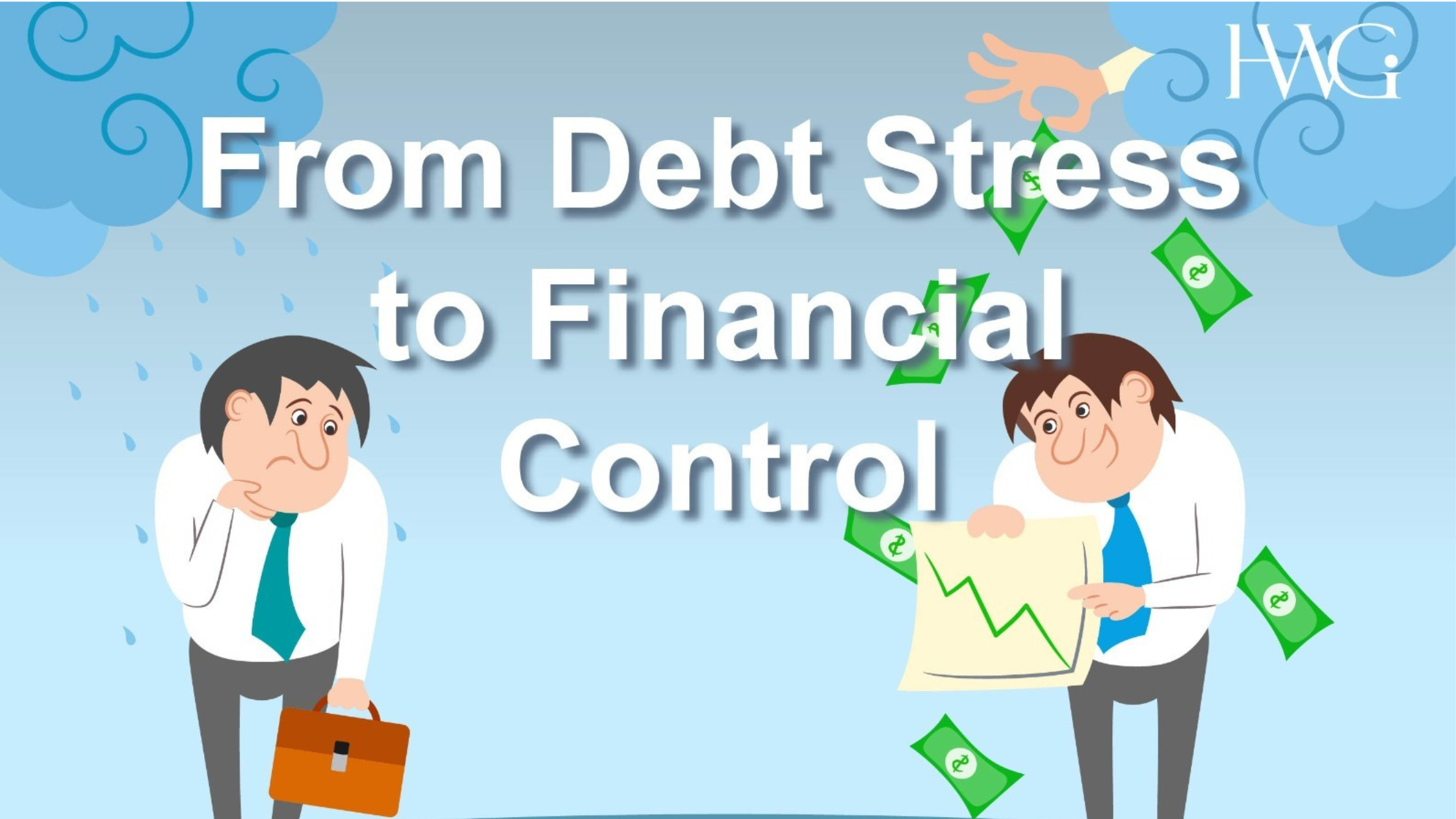

Debt stress hardly ever starts with one large problem. For many Malaysians, it develops gradually through credit card balances, personal loans, car installments, housing commitments, Buy Now, Pay Later purchases, medical bills, and family responsibilities.
At first, the pressure may seem manageable. One payment is delayed, another bill is covered using credit, and a new installment plan is added when cash is tight. Over time, the total amount becomes harder to track, and money decisions may feel more urgent.
Financial control begins with a clear view of the full situation. It does not require every debt to be cleared immediately. It starts with a realistic plan, a clear repayment order, and better monthly money management.
What Financial Control Means During Debt Stress
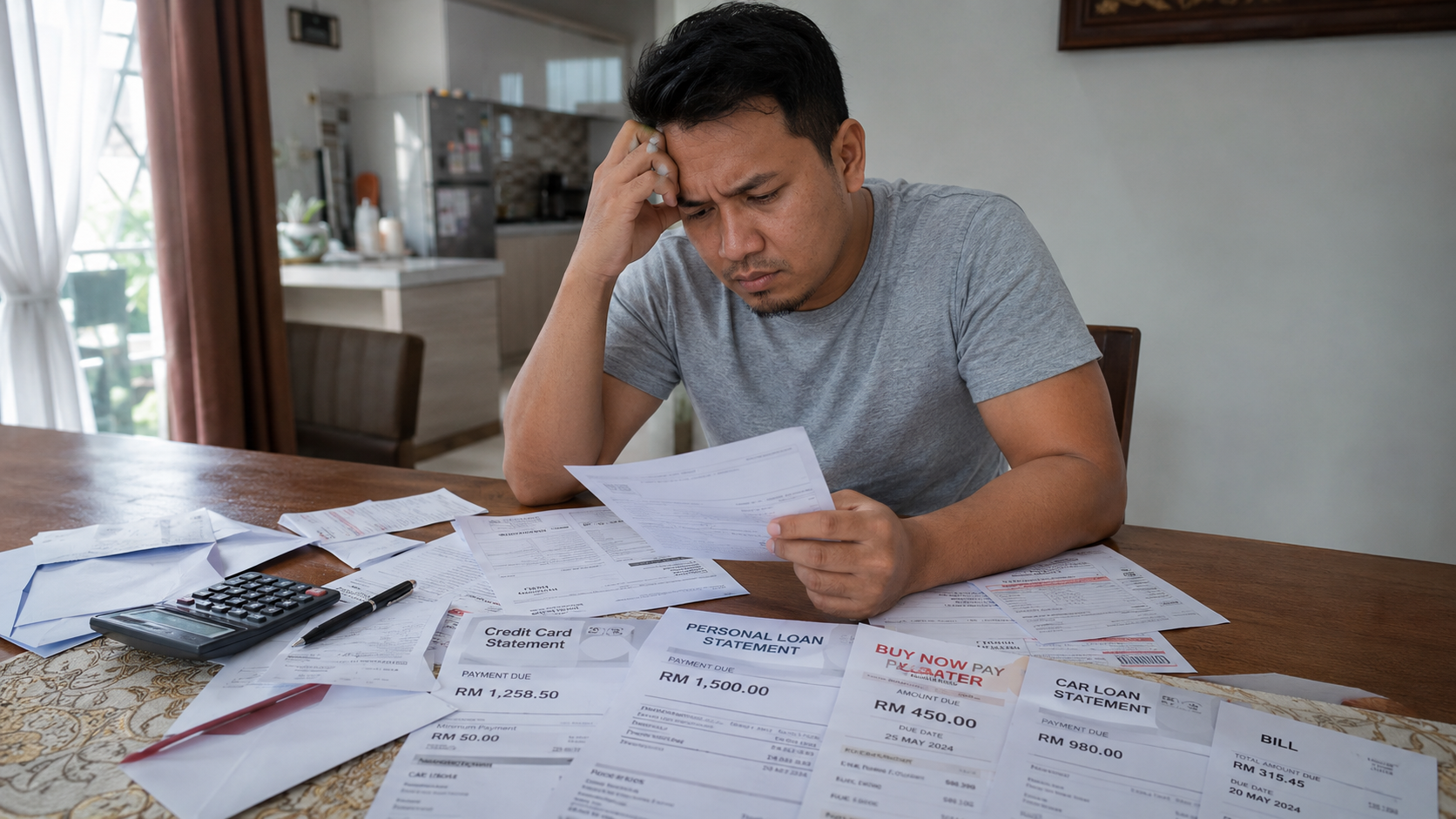
Financial control starts with understanding how much money comes in, where it goes, which payments need attention first, and which debts carry the highest cost.
When balances, due dates, and spending habits are unclear, repayment decisions often become reactive. A recovery plan replaces guesswork with real numbers, a clear repayment order, and steady monthly action.
A Practical Debt Recovery Plan to Rebuild Financial Control
Step 1: Stop Adding New Debt
The first step is to stop adding new debt where possible. This includes credit card spending, new personal loans, unnecessary installment plans, and Buy Now, Pay Later purchases that can quietly increase monthly pressure.
This step matters because debt stress becomes harder to manage when the balance keeps growing. Even a good repayment plan will not help much if new borrowing continues every month and the total amount owed keeps changing.
For some households, this may mean a short spending freeze while the full debt position is reviewed. The aim is not to cut everything at once. The aim is to create enough breathing room to regain financial control and make repayment decisions with a clearer mind.
Step 2: List All Debts Clearly

Debt stress feels heavier when the details are scattered. A simple debt list gives a clearer starting point and helps show which payment needs attention first.
The list should include credit cards, personal loans, car loans, housing loans, education loans, business loans, Buy Now, Pay Later plans, and money owed to family or friends. This helps avoid missed repayments and gives a more honest view of the total debt position.
Debt review table
| Debt Type | What to Check | Why It Matters |
| Credit card | Balance, interest rate, minimum payment, due date | Card debt can become expensive when unpaid |
| Personal loan | Outstanding balance, monthly installment, remaining loan period | Shows a fixed monthly commitment |
| Car loan | Monthly installment and remaining loan period | Affects transport and monthly cash flow |
| Housing loan | Monthly installment, payment status, and missed payments, if any | Usually, the largest long-term commitment |
| Buy Now, Pay Later | Number of active plans and payment due dates | Small payments can become stressful when combined |
| Family or informal debt | Amount owed and expected repayment date | Helps avoid confusion or conflict |
Once everything is written down, the debt situation becomes easier to understand. This is one of the first signs that financial control is starting to return.
Step 3: Check CCRIS or CTOS Before Negotiating
In Malaysia, debt recovery should include a credit record check. A CCRIS report from Bank Negara Malaysia shows financing and repayment history reported by participating financial institutions. This gives a clearer view of how repayment behavior appears to banks.
A CTOS report can also help individuals understand their credit health before speaking to banks about restructuring, consolidation, refinancing, or repayment options. These reports make the discussion more practical because the borrower understands the current credit position first.
Checking credit records does not solve debt stress by itself. It helps show the real position before any discussion with banks, AKPK, or a financial adviser. Better information supports better financial control.
Step 4: Choose a Repayment Method That Supports Financial Control

After listing all debts, the next step is choosing a repayment method. Two common approaches are the snowball method and the avalanche method.
The snowball method focuses on clearing the smallest debt first, which can help build motivation because progress is visible sooner. The avalanche method focuses on the debt with the highest interest or finance cost first, which may reduce the total cost over time.
The best method is the one that can be followed consistently based on cash flow and repayment ability. Switching methods too often usually slows progress, creates confusion, and weakens financial control.
Step 5: Build a Small Emergency Fund

A small emergency fund helps stop new debt from forming. When a car repair, medical bill, or urgent family cost appears, there is cash available before turning back to credit.
For someone under debt stress, the first target does not need to be large. A starter fund of RM1,000 to RM3,000 can already reduce pressure during sudden situations. This money may be kept in a separate savings account so it does not mix with daily spending. For eligible Malaysians, EPF Flexible Account 3 may also support short-term financial flexibility, depending on personal needs and withdrawal rules.
This money should be kept separate from daily spending. It should not be used for normal bills, shopping, or lifestyle expenses. Its purpose is to keep financial control from slipping when something unexpected happens.
Step 6: Speak to Creditors or AKPK Early
Debt problems usually become harder when action is delayed. If minimum payments are already difficult, it is better to speak to creditors early instead of waiting for missed payments to build up.
In Malaysia, AKPK is an important support option for individuals facing serious debt pressure. AKPK offers financial counseling and a debt management program that may help restructure repayments into a more manageable plan.
This step is most relevant when several payments are overdue, different banks are involved, or the monthly repayment amount no longer fits the household budget. A guided structure can reduce confusion and help borrowers rebuild financial control with clearer terms.
Common Mistakes That Keep Debt Stress Going
- Paying debt without a clear order
Paying whatever feels urgent may help for a short time, but it can slow down real progress. A clear repayment order helps show which debt should be handled first and how much can be paid every month.
- Using credit while trying to repay debt
Paying one credit card while still spending on another keeps the debt cycle active. This makes it harder to reduce the total balance and rebuild financial control.
- Avoiding money discussions at home
Debt stress can affect the whole household. When family members who share financial responsibilities do not know the real position, the same spending and repayment problems may continue.
Signs That Financial Control Is Returning

Financial control often returns through small but meaningful signs, such as paying bills on time, stopping debt balances from growing, using credit less often, and building a small emergency fund. As the numbers become clearer, monthly reviews feel less stressful and repayment decisions become easier to manage.
What Happens After Debt Becomes More Stable
Debt recovery should not stop once repayments become manageable. That is the stage where better long-term habits need to be rebuilt so the same debt pressure does not return later.
The next step may include reviewing insurance or takaful coverage, rebuilding savings, planning for retirement, and setting clearer family or business goals. For business owners, it may also mean separating personal money from business cash flow.
This stage is important because debt stress can return if old habits remain unchanged. Financial control becomes stronger when the recovery plan turns into a monthly routine rather than a short-term fix.
Moving From Debt Recovery to Long-Term Financial Control
For serious debt stress, the first step should be practical debt support. This may include speaking with the bank, reviewing repayment options, or approaching AKPK if repayments are already difficult to manage.
Once the debt position becomes clearer and more stable, the next stage is rebuilding long-term financial control. This may include reviewing protection planning, retirement planning, education savings, legacy planning, wills, trusts, and other related financial solutions.
Financial advisory support after debt stabilization may be guided to Maxima Advisory, a Bank Negara Malaysia-approved financial advisor. Any next step should be based on the individual’s actual financial position, repayment ability, and long-term needs.
Moving Forward with Greater Financial Control
Debt recovery takes time, but steady monthly action can reduce pressure and improve financial control. Clear records, realistic repayments, and early support from creditors or AKPK can help Malaysians move toward a more stable financial position.
Build a Wealth Management Plan Aligned with Your Life Goals
Gain clearer direction, coordinated support, and access to suitable wealth planning with HWG.
HWG supports individuals and families across key financial needs, including:
• Wealth planning accumulation
• Estate planning
• Retirement planning
Where regulated advice or execution is required, services are delivered by appropriately licensed entities within the HWG group. HWG does not provide regulated financial advice or execute investments.
Take the Next Step
Contact HWG Malaysia Today
Got Inquiries? Please contact us or start a Conversation with HWG Greenie, our AI chatbot.
Visit and follow Our Social Media:
Website: https://www.hwg.asia/
Facebook: https://www.facebook.com/hwg.asia
LinkedIn: https://www.linkedin.com/company/hwgasia/
Visit Our Office:
Address: 42, Jalan BM1/2, Taman Bukit Mayang Emas, 47301 Petaling Jaya, Selangor
Email: customerservice@hwg.asia
Phone: 03-5569 9834
Download the HWG Go Apps (Available on the Play Store and App Store)

HWG Go: Available on both the Google Play Store and Apple App Store (T&C Available).
Disclaimer:
This article, published on this website, may be written or contributed by subject-matter experts or external writers. They are intended for general information and educational purposes only. HWG does not guarantee the accuracy, completeness, or timeliness of the information provided. Please note that the products, services or solutions in these articles may not be offered or provided by HWG. HWG shall not be held responsible or liable for any loss, damage, or issues arising from the use of, or reliance on such information.